
Essential Strategies for Effective Digital Marketing
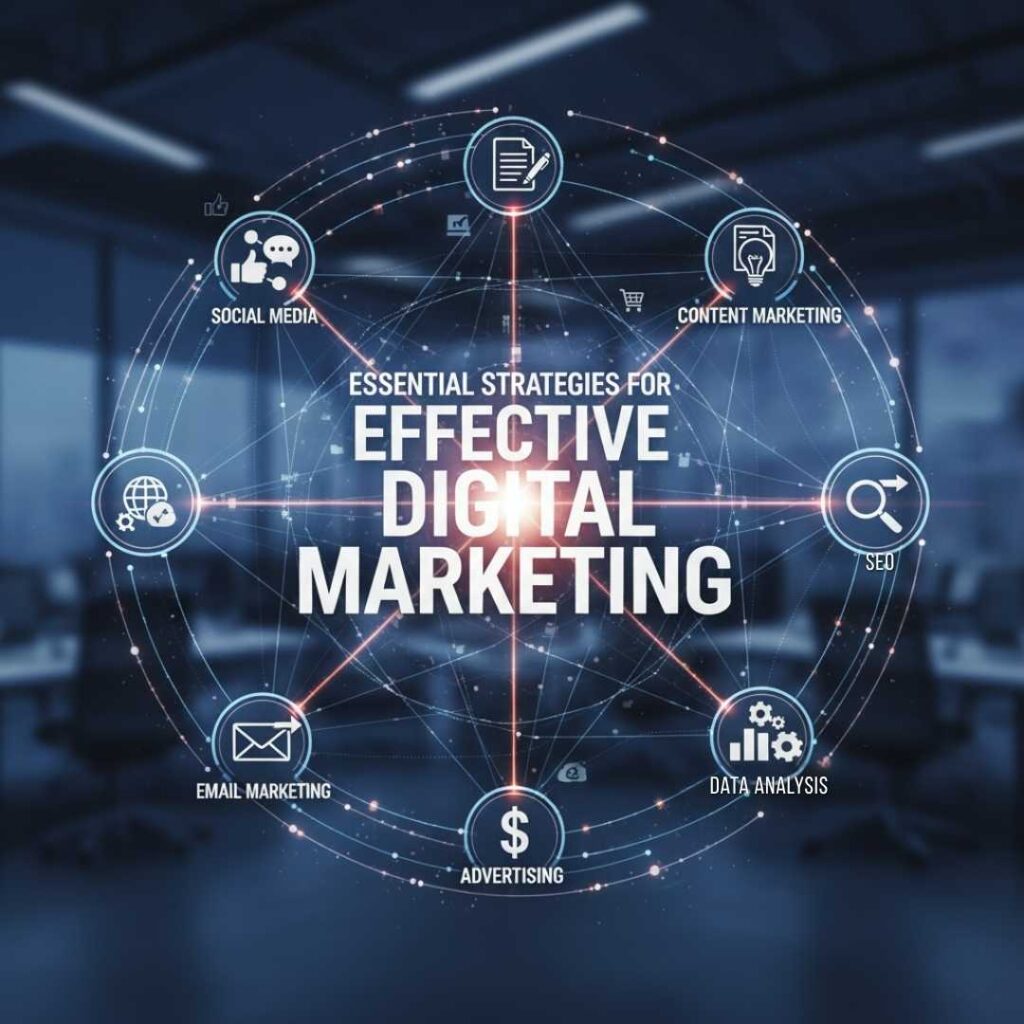
Digital marketing is a powerful tool for businesses today, offering a direct way to reach customers online. As the internet has evolved, so has marketing, making digital strategies essential for success. This guide to digital marketing is a deep dive into growing your store, and is a key part of our Complete Guide to Launching Your E-commerce Store in Hong Kong, from Zero to One.
Key strategies include:
- Social Media Marketing: To engage audiences and build brand awareness.
- Content Marketing: To attract and retain customers with valuable content.
- SEO (Search Engine Optimization): To improve website visibility.
- Email Marketing: To communicate directly with customers.
Understanding these strategies is vital for crafting effective campaigns. This guide will explore these essentials, providing insights into social media and content marketing, these are the strategies you can implement yourself. However, if you’re a busy owner who’d rather have an expert handle your marketing, you can learn about our Done-for-You Digital Marketing Services here.
And of course, before you can launch these powerful strategies, you need a solid foundation. If you’re still deciding on the right platform for your Hong Kong business, be sure to read our Ultimate Comparison of HK’s Top 6 E-commerce Platforms first.
What is Digital Marketing?
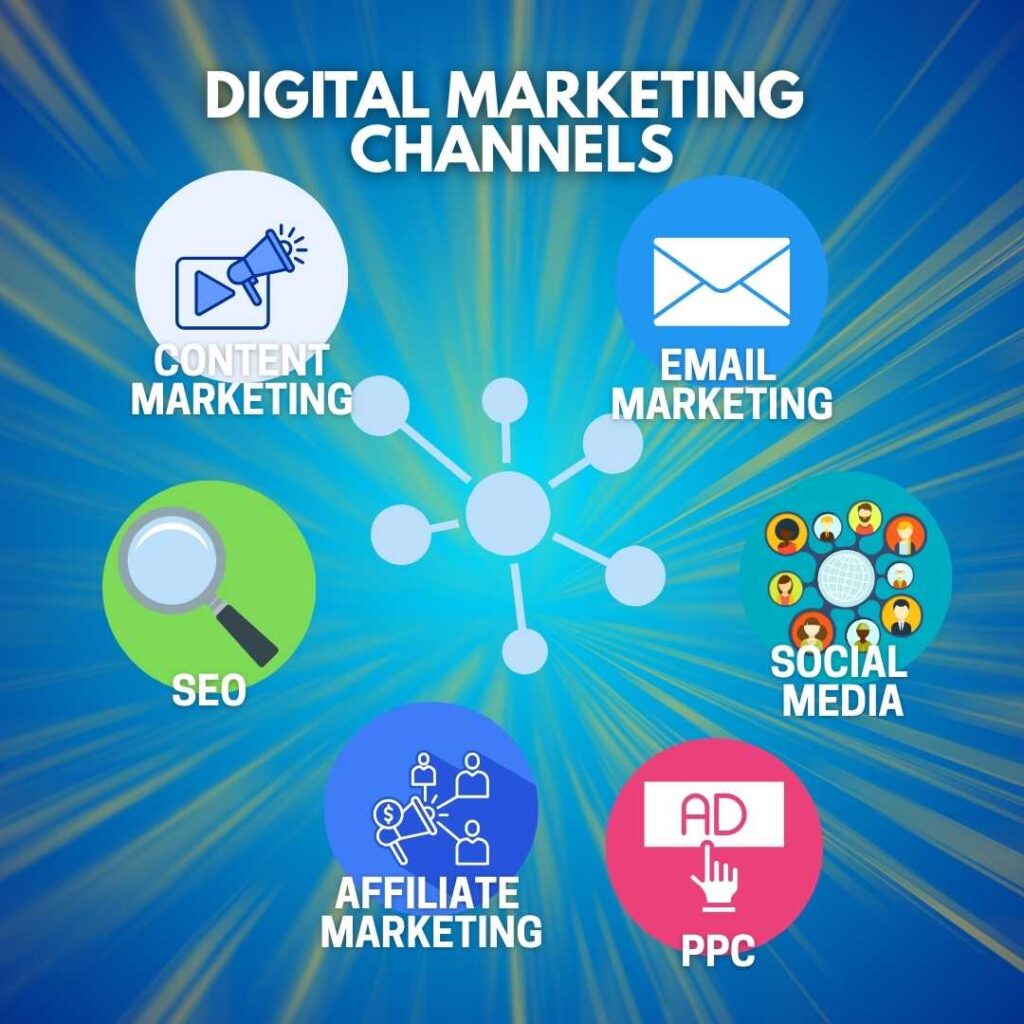
Digital marketing refers to the practice of promoting products or services using digital channels. It leverages the power of the internet and electronic devices to connect with consumers where they spend their time.
At its core, digital marketing includes any marketing efforts conducted electronically. With the prevalence of smartphones and computers, it’s more relevant than ever.
One of its greatest strengths is its versatility. Businesses of all sizes can tailor their approach to enhance brand visibility, drive engagement, and boost sales.
The Main Types of Digital Marketing
- SEO (Search Engine Optimization): Improving website visibility through organic search results.
- PPC (Pay-per-Click) Advertising: Paying for top placement on search engine results pages.
- Content Marketing: Creating valuable content to attract and retain customers.
- Email Marketing: Sending targeted messages directly to people’s inboxes.
- Social Media Marketing: Using social platforms to engage with audiences.
Digital marketing allows brands to reach specific demographics, often more cost-effectively than traditional methods. It also provides measurable results, enabling businesses to track what’s working and what isn’t.
Finally, digital marketing is constantly evolving. Staying updated with new technologies and shifting consumer behavior is crucial. This dynamic nature makes it both challenging and exciting.
The Core Benefits of Digital Marketing
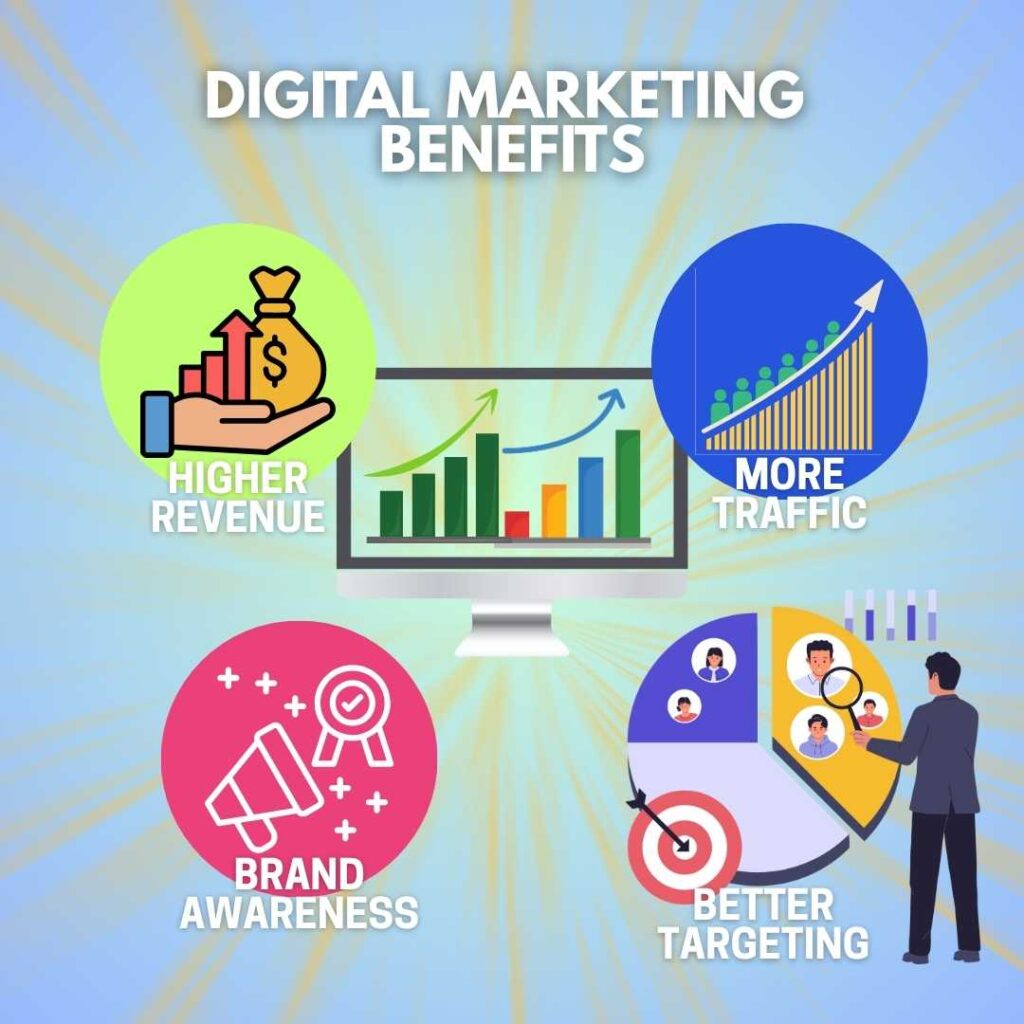
Digital marketing offers several advantages that traditional methods may lack. One key benefit is its global reach, allowing brands to connect with a worldwide audience efficiently. Another is real-time, measurable results; businesses can track and analyze their campaigns as they unfold, enabling swift optimization.
Cost-efficiency is also a significant advantage. Digital marketing often requires less investment than traditional advertising, allowing smaller businesses to compete with larger organizations. Finally, personalization is made possible, as marketers can tailor messages to specific demographics, increasing customer engagement and conversion.
Here is a quick overview of the benefits:
- Global Reach: Access customers worldwide without significant additional costs.
- Measurable Results: Use analytics tools to track performance and ROI in real-time.
- Cost-Effective: Leverage budget-friendly strategies for better outcomes.
- Improved Targeting: Focus on particular audiences with tailored messages.
- Enhanced Engagement: Foster stronger relationships through interactive content.
Lastly, digital marketing fosters better customer relationships. Through continuous engagement and feedback, businesses can build stronger connections, leading to increased loyalty and advocacy. These benefits make digital marketing indispensable in today’s competitive landscape.
Understanding the Digital Marketing Landscape

The digital marketing landscape is vast and ever-changing, involving multiple channels and tactics that businesses use to reach their target audience online. To thrive, marketers must understand its diversity, which ranges from social media and SEO to content marketing and PPC advertising.
Each of these components plays a unique role:
- Social media marketing helps build brand awareness and audience engagement.
- SEO improves online visibility and search rankings.
- Content marketing is crucial for attracting and retaining customer interest.
- PPC advertising offers immediate visibility in search engine results, driving traffic to websites quickly.
Consider this breakdown of the digital marketing landscape:
- Social Media: Platforms for engagement and brand interaction.
- SEO: Techniques to enhance search engine ranking.
- Content Marketing: Creating valuable content to draw in potential customers.
- PPC: Paid advertising for gaining instant visibility.
For success, understanding each element’s function is key. Marketers must stay informed about industry shifts and new technologies. As consumer behaviors evolve, so must digital marketing strategies. Continuous learning and adaptation are vital in this dynamic field.
Key Digital Marketing Channels and Their Roles

Digital marketing channels are the pathways marketers use to connect with their audience. Each channel has distinct advantages and serves different purposes. Identifying and harnessing the right channels can transform a brand’s digital presence.
These channels include websites, SEO, PPC, email marketing, social media, and more. Websites act as the foundation, while SEO boosts visibility in search results, directing organic traffic to your site.
PPC advertising is invaluable for gaining immediate exposure by paying for ad placement. Email marketing remains an effective tool for nurturing relationships and promoting offers directly to customers. Other important channels include social media platforms for engagement and influencer collaborations to amplify reach.
The effective integration of these channels enhances overall marketing efforts:
- Website: Central hub for information and transactions.
- SEO: Enhances online searchability.
- PPC: Provides quick search engine visibility.
- Email: Direct communication with potential and existing customers.
Strategic use of these channels allows for targeted, data-driven campaigns, helping businesses efficiently convey their messages and achieve their marketing goals.
Website Marketing

A website often serves as the digital storefront of a business and is the central point where all digital marketing efforts converge.
Design and functionality are critical. A well-designed website attracts visitors and enhances the user experience, leading to higher conversions and customer retention. A website should also reflect the brand’s identity and values to build trust. Regular updates keep it engaging and relevant.
Website Marketing Essentials:
- Mobile-Friendly: Ensure responsiveness on all devices.
- Fast Load Speed: Improve user experience and reduce bounce rates.
- SEO Optimized: Enhance search engine rankings.
Search Engine Optimization (SEO)
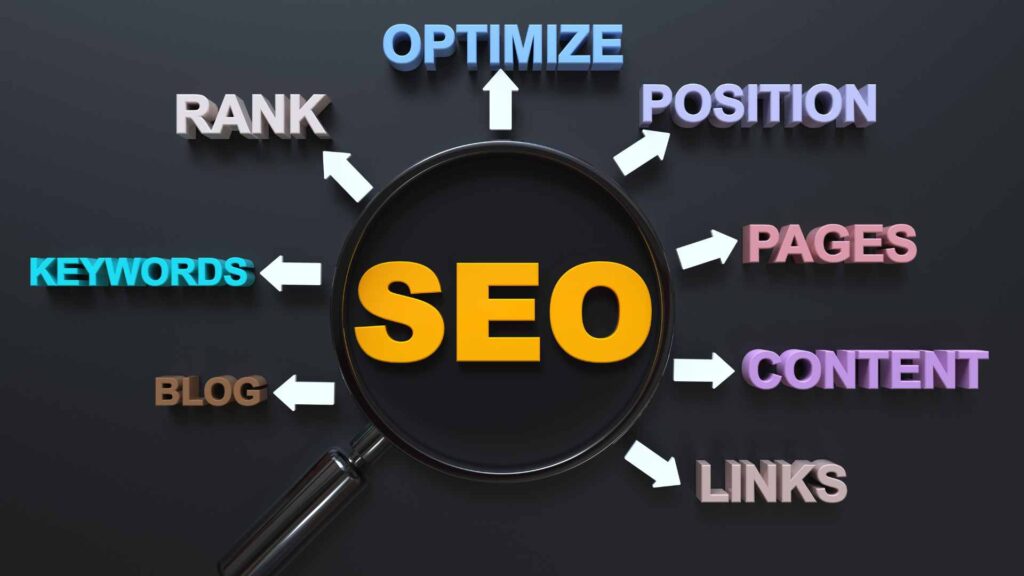
SEO is a cornerstone of digital marketing, involving optimizing websites to rank higher on search engine results pages. Higher rankings mean increased visibility and potential traffic.
Key SEO strategies include keyword research, content optimization, and technical SEO. Understanding search intent and creating valuable content that meets user needs is essential.
SEO Focus Areas:
- Keyword Optimization: Target relevant search terms.
- Backlinks: Improve authority and trustworthiness.
- Technical SEO: Address site speed, mobile-friendliness, and indexing.
Algorithm updates require ongoing SEO efforts to ensure the website remains competitive, leading to a robust online presence and sustained organic growth.
Pay-Per-Click (PPC) Advertising

PPC advertising drives targeted traffic quickly. Advertisers pay a fee each time someone clicks their ad, providing measurable results and ROI.
Platforms like Google Ads offer highly customizable campaigns, allowing advertisers to select keywords, demographics, and time zones to target users precisely.
Main PPC Features:
- Keyword Targeting: Bid on terms related to your business.
- Ad Extensions: Offer additional information in your ads.
- Detailed Analytics: Track performance and adjust strategies.
PPC allows for real-time campaign adjustments based on performance data, making it an effective choice for quick visibility and results.
Email Marketing

Email marketing is powerful for building customer relationships, offering direct communication with prospects and loyal clients. Personalized emails can significantly improve engagement and conversions.
Creating compelling email campaigns involves attention to design and content. Subject lines must be engaging, and the content must offer value to the reader.
Effective Email Marketing Elements:
- Segmentation: Categorize your audience for tailored messages.
- Automation: Use tools for timely and relevant emails.
- A/B Testing: Test subject lines and content for improvements.
Integrating email marketing with other channels enhances its impact, fostering communication and leading to repeat business.
Affiliate and Influencer Marketing
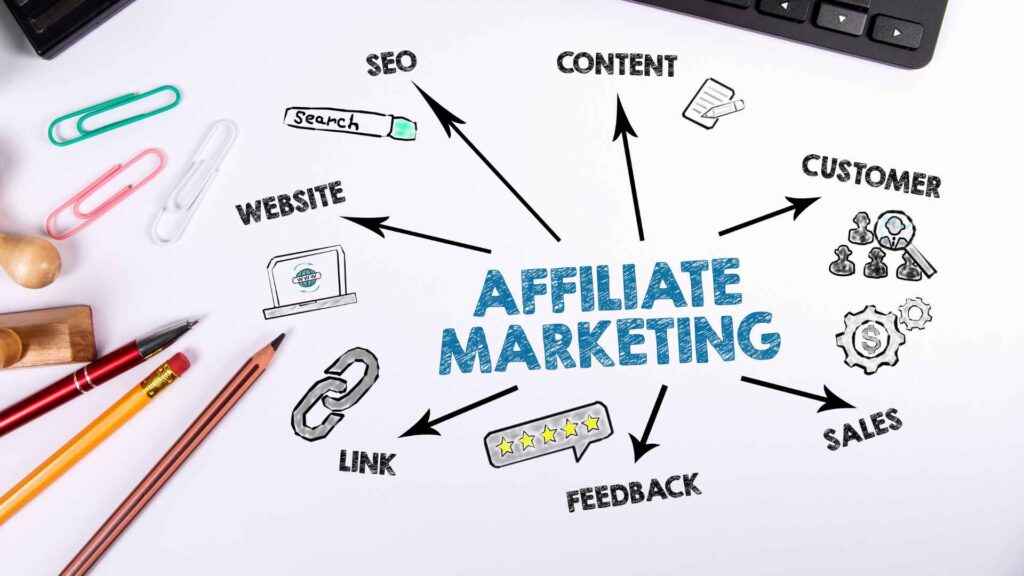
Affiliate and influencer marketing taps into the power of partnerships, leveraging third-party contributions to extend brand reach and drive sales.
Affiliate marketing involves paying partners a commission for traffic or sales they generate. Influencers use their social media presence and credibility to promote products.
Key Components:
- Partnership Selection: Choose affiliates and influencers who align with your brand.
- Performance Tracking: Monitor conversions and engagement.
- Authenticity: Ensure genuine promotion to maintain trust.
These methods can significantly amplify brand exposure, helping businesses engage new markets and boost credibility.
Video and Mobile Marketing

Video and mobile marketing are critical components of modern digital marketing. Videos are highly engaging and widely consumed, while mobile marketing focuses on reaching users on their smartphones.
Creating compelling video content can enhance brand messaging. Mobile optimization is crucial, as more consumers browse and purchase via mobile devices.
Key Strategies:
- Video Content: Use storytelling to captivate and engage.
- Mobile Optimization: Design websites and campaigns for mobile users.
- Social Video Platforms: Leverage platforms like YouTube and TikTok for reach.
Both approaches offer dynamic ways to connect with audiences, catering to modern consumer preferences and driving action in today’s mobile-centric world.
Social Media Marketing: Building Engagement and Brand Awareness

Social media marketing is a vital part of digital marketing, helping businesses connect with audiences, build brand awareness, and engage customers. Platforms such as Facebook, Instagram, and LinkedIn are pivotal for this, transforming how brands communicate.
Consistent posting, authentic interaction, and responding to comments foster a sense of community. Leveraging user-generated content (UGC) is also key, as it boosts credibility and often receives higher engagement than brand-produced content.
Social media advertising offers powerful targeting options. Ads can be tailored to specific demographics, interests, and behaviors, maximizing reach and boosting conversions.
Key strategies to optimize social media marketing include:
- Consistency: Maintain a regular posting schedule.
- Engagement: Actively interact with followers.
- Analytics: Use data to measure and refine efforts.
By harnessing these tactics, brands can effectively strengthen their presence and drive business growth.
Choosing the Right Social Platforms
Selecting the right social media platforms is fundamental. Each platform attracts different audiences and serves distinct purposes.
- Facebook excels at reaching a broad demographic.
- Instagram is ideal for visual storytelling and reaching younger audiences.
- LinkedIn focuses on professional connections, catering to B2B marketing needs.
Consider these factors when selecting platforms:
- Audience Demographics: Match platform users with your target audience.
- Content Format: Choose platforms that support your content types (e.d., video, images, text).
- Engagement Tactics: Consider how users interact on each platform.
Choosing platforms that fit your business objectives ensures your messages resonate and drive action.
Social Media Content Strategies

Effective social media content captures and maintains interest. It must be visually appealing, concise, and relevant to your audience to encourage interaction and sharing.
Video content, memes, and infographics tend to perform well. Telling stories through visuals and engaging captions (with strategic hashtags) can further amplify reach.
Consider these tips for impactful content:
- Visual Appeal: Use striking images and high-quality videos.
- Relevance: Align content with your audience’s interests and pain points.
- Hashtags: Use strategic hashtags to increase discoverability.
Innovative content grabs attention. Brands must adapt to trends to maintain relevance.
Leveraging Social Media Advertising

Social media advertising is crucial for reaching new potential customers. It enables businesses to present their products to highly targeted audiences, increasing brand visibility and driving conversions.
Advertisers can tailor campaigns to specific demographics, interests, and online behaviors. Platforms like Facebook and Instagram offer detailed targeting options, with ad formats including banners, stories, and sponsored posts.
To maximize advertising efforts, consider:
- Targeting Accuracy: Refine audience segments based on data.
- Creative Content: Design compelling, clear, and visually appealing ads.
- Measurement: Track performance (like cost-per-click) and optimize campaigns.
Effective advertising requires creativity and precision. By leveraging advanced targeting tools, brands can achieve a remarkable return on investment.
Content Marketing: Attracting and Retaining Customers

Content marketing is at the heart of digital marketing strategies. It focuses on creating valuable content to attract and keep customers. By offering relevant information, brands can establish authority and trust.
Quality content can effectively nurture leads and foster loyalty. It helps answer customer questions and solves their problems. Content marketing isn’t just about sales; it’s about building relationships.
Blogs, videos, and infographics are common content types. Each serves a different purpose in the customer journey. Providing diverse content helps engage different learning and consumption preferences.
Content marketing drives results by building audience rapport. Brands that share valuable insights often enjoy higher customer retention. Offering educational and entertaining content positions the brand as a thought leader.
To optimize content marketing efforts, remember to:
- Know Your Audience: Understand what they value and need.
- Create Consistently: Maintain a steady flow of quality content.
- Optimize for SEO: Ensure content is search engine friendly.
With a well-executed content marketing strategy, businesses can significantly improve their competitive advantage. Content forms the backbone of a strong digital presence.
Types of Content That Drive Results

Crafting content that resonates with your audience is essential. Different types of content appeal to various audience segments. Creating a mix can keep your content strategy fresh and engaging.
Long-form blogs provide in-depth analysis and insights, making them great for building authority and SEO. On the other hand, videos are powerful for capturing attention quickly and conveying messages emotionally.
Consider incorporating these content types:
- Blogs: For detailed information and expertise.
- Videos: To engage and explain visually.
- Infographics: For easy-to-digest data.
By leveraging these content forms, brands can connect more deeply with their audience. Each type serves a unique role in moving potential customers down the funnel.
Storytelling and Brand Voice

Storytelling in content marketing connects deeply with audiences. It helps convey the brand’s mission and values in an authentic way. A consistent brand voice differentiates you from competitors, building recognition and trust.
Your brand story should be genuine and relatable. It should engage emotions and foster an emotional connection. This approach can turn simple narratives into compelling campaigns.
Key elements of effective storytelling include:
- Authenticity: Be genuine and transparent.
- Relevance: Align stories with your audience’s needs and experiences.
- Consistency: Maintain a unified brand voice across all channels.
Stories inspire action by creating an emotional bond. A compelling brand narrative can be a powerful tool in retaining loyal customers.
User-Generated and Interactive Content
User-generated content (UGC) and interactive content can transform engagement. They involve the audience in the brand experience, boosting retention and authenticity. Such content often carries a sense of credibility and trust.
UGC, like reviews and customer photos, showcases genuine experiences. It’s a testament to your brand’s value and quality, resonating well with potential buyers.
Interactive content, such as polls and quizzes, increases engagement. It encourages users to actively participate, making the brand experience memorable.
To effectively employ these content types:
- Encourage Participation: Invite customers to share and contribute.
- Feature User Stories: Highlight real testimonials and reviews.
- Create Engaging Interactions: Use games, quizzes, and polls for direct engagement.
Employing UGC and interactive content enhances the overall digital strategy by involving your audience in meaningful ways.
Integrating Digital Marketing Channels for Maximum Impact

Integrating digital marketing channels ensures a cohesive strategy. Each channel plays a unique role, but together they amplify results. A unified approach aligns efforts and amplifies reach.
Cross-channel marketing allows messages to be repeated without redundancy, ensuring a consistent brand experience across all platforms. This integration leverages the strengths of each channel for an overall stronger strategy.
For effective integration, ensure your messaging, voice, and visuals are consistent across all digital touchpoints. This fosters trust and strengthens brand identity. For instance, social media can drive traffic to your blog, while email marketing can nurture potential leads generated from PPC campaigns.
Consider the following steps for successful integration:
- Analyze Data: Understand how each channel performs.
- Align Goals: Ensure each channel supports your overall objectives.
- Monitor and Adjust: Continuously optimize for better alignment.
An integrated approach not only enhances effectiveness but also efficiency. By working in synergy, digital marketing efforts can achieve greater collective outcomes.
Data, Analytics, and Measuring Success

In digital marketing, data is crucial. Analytics tools gather data to guide strategic decisions, and understanding key metrics can elevate marketing efforts significantly.
The key is knowing which data matters. Important metrics include website traffic, conversion rates, and customer engagement. These provide insights into what strategies work and which need improvements.
Data helps measure success by providing tangible results and showing the return on investment (ROI) of your campaigns. It’s essential to utilize diverse tools like Google Analytics and social media insights to track trends and measure the impact of your marketing activities.
Consider the following for effective analytics:
- Identify Key Metrics: Focus on data that aligns with your goals.
- Use Advanced Tools: Leverage specialized software for deeper insights.
- Regular Reporting: Consistently review and report on data findings.
Data-driven decisions enhance the likelihood of success. Analytics not only measure outcomes but also help forecast trends, paving the way for sustained growth.
Personalization, Automation, and Customer Experience

Personalization is a cornerstone of modern digital marketing. Tailoring messages to individual preferences enhances engagement and shows customers that you understand their needs.
Automation streamlines marketing efforts. Tasks like email campaigns can be automated to save time and ensure consistency, allowing marketers to focus on creative strategies.
A seamless customer experience is paramount. Every interaction should feel personal and valuable. Incorporating automation enhances efficiency without sacrificing the quality of these personalized touchpoints.
Consider these tips for integrating personalization and automation:
- Segment Audiences: Divide your audience based on behaviors and needs.
- Use Dynamic Content: Personalize the content shown to each user.
- Automate Follow-Ups: Schedule automatic responses to engage users quickly.
A superior customer experience increases loyalty. When personalization and automation work together, they create a memorable experience that drives success.
Staying Ahead: Trends and Future of Digital Marketing

The digital marketing landscape is ever-evolving. Marketers need to stay alert to technological and consumer changes to remain competitive.
Key trends to watch include:
- AI and Machine Learning: These technologies are transforming strategy, offering deep insights into consumer behavior to create more targeted and effective campaigns.
- Voice Search Optimization: As more consumers use voice-activated devices, optimizing content for voice queries is becoming crucial, demanding a shift in SEO strategies.
- Sustainability: Consumers increasingly prefer brands that demonstrate environmental responsibility. Marketing that showcases sustainability can attract eco-conscious audiences.
- Augmented Reality (AR): AR is beginning to enhance shopping experiences through virtual try-ons and product previews.
Embracing these trends is necessary to stay ahead. By adapting to changes, businesses can future-proof their digital marketing efforts.
Common Challenges and How to Overcome Them

Digital marketing presents unique challenges. One major issue is keeping up with rapidly changing algorithms on social media and search platforms, which can impact visibility overnight.
Another challenge is creating content that resonates with diverse audiences. Tailoring messages to different segments is crucial, and personalization based on user data can help.
Finally, measuring the true ROI of digital campaigns remains tricky. Implementing robust analytics tools is essential to provide clarity on which efforts drive the most success.
Strategies to overcome these challenges:
- Stay Informed: Regularly update your knowledge on platform changes.
- Diversify Content: Customize messages for various audience demographics.
- Invest in Analytics: Use tools that offer comprehensive insights.
Navigating these challenges requires flexibility and foresight.
Conclusion: Building a Winning Digital Marketing Strategy

Crafting a successful digital marketing strategy requires a comprehensive and strategic approach. Start by clearly defining your business goals and align these objectives with your marketing efforts.
Understanding your audience is crucial for effective messaging. Tailor your tactics to meet their needs and preferences to foster deeper connections. Integrate diverse channels for maximum reach and impact, ensuring cohesive messaging and brand consistency across all platforms.
Key Steps to a Winning Strategy:
- Define Clear Objectives: Establish measurable goals that align with your business vision.
- Know Your Audience: Research demographic and psychographic data for targeted marketing.
- Stay Flexible: Adapt your strategy to evolving trends and technologies.
A well-rounded digital marketing strategy propels growth and ensures long-term success. By following these guidelines, businesses can thrive in the digital landscape.
Ready to Grow, But Short on Time?
This is a lot of work. If you’d rather focus on your products and let an expert handle your SEO and social media, we can help.
Learn more about our Digital Marketing & SEO Services
有效數碼營銷的基本策略
數碼營銷是現今企業的強大工具,提供了直接在網上接觸客戶的途徑。隨著互聯網的發展,營銷方式亦隨之演變,使數碼策略成為成功的關鍵。 本數碼營銷指南深入探討如何發展您的商店,是我們《從零到一在香港推出您的電商商店完整指南》的關鍵部分。
主要策略包括:
- 社交媒體營銷: 吸引受眾並建立品牌知名度。
- 內容營銷: 利用有價值的內容吸引和留住客戶。
- SEO (搜尋引擎優化): 提升網站在搜尋結果中的排名。
- 電郵營銷: 直接與客戶溝通。
了解這些策略對於打造有效的行銷活動至關重要。本指南將探討這些要點,深入剖析社群媒體和內容行銷,這些都是您可以自行實施的策略。但是,如果您是一位繁忙的企業老闆,更希望由專家來負責您的行銷工作,您可以點擊此處了解我們的全包式數碼營銷服務。
當然,在實施這些強而有力的策略之前,您需要一個堅實的基礎。如果您還在為香港業務選擇合適的平台,請務必先閱讀我們精心撰寫的《香港六大電商平台終極對比》。
什麼是數碼營銷?
數碼營銷是指使用數碼渠道推廣產品或服務的做法。它利用互聯網和電子設備的力量,在消費者花費時間的地方與他們建立聯繫。
其核心是,數碼營銷包括任何以電子方式進行的營銷工作。隨著智能手機和電腦的普及,它比以往任何時候都更為重要。
它最大的優勢之一是其多功能性。各種規模的企業都可以調整他們的方法,以提升品牌知名度、推動互動參與和促進銷售。
數碼營銷的主要類型
- SEO (搜尋引擎優化): 透過自然搜尋結果提升網站曝光率。
- PPC (按點擊付費) 廣告: 付費以獲得搜尋引擎結果頁面上的頂部位置。
- 內容營銷: 創作有價值的內容以吸引和留住客戶。
- 電郵營銷: 將目標訊息直接發送到人們的收件箱。
- 社交媒體營銷: 利用社交平台與受眾互動。
數碼營銷讓品牌能夠接觸到特定的受眾群體,而且通常比傳統方法更具成本效益。它還提供可衡量的結果,使企業能夠追踪哪些方法有效,哪些無效。
最後,數碼營銷是不斷演變的。緊貼新技術和不斷轉變的消費者行為至關重要。這種動態性使其既充滿挑戰又令人興奮。
數碼營銷的核心優勢
數碼營銷提供了幾個傳統方法可能缺乏的優勢。其中一個關鍵好處是其全球覆蓋範圍,讓品牌能夠高效地與全球受眾建立聯繫。另一個好處是實時、可衡量的結果;企業可以在廣告活動展開時追踪和分析其表現,從而迅速進行優化。
成本效益也是一個顯著優勢。數碼營銷所需的投資通常少於傳統廣告,使小型企業能夠與大型機構競爭。最後,它使個人化成為可能,營銷人員可以針對特定的人口統計特徵定制訊息,從而提高客戶參與度和轉化率。
以下是各項好處的快速概覽:
- 全球覆蓋: 以更低額外成本接觸全球客戶。
- 可衡量的結果: 使用分析工具實時追踪表現和投資回報率 (ROI)。
- 具成本效益: 利用預算友好的策略以獲得更佳成果。
- 更佳的目標客群定位: 透過定制的訊息專注於特定受眾。
- 提升互動參與: 透過互動內容培養更穩固的關係。
最後,數碼營銷能促進更佳的客戶關係。透過持續的互動和反饋,企業可以建立更牢固的聯繫,從而提高客戶忠誠度和擁護度。這些優勢使數碼營銷在當今競爭激烈的環境中不可或缺。
了解數碼營銷的格局
數碼營銷的格局廣闊且千變萬化,涉及企業用來在網上接觸目標受眾的多種渠道和策略。 要在這個領域茁壯成長,營銷人員必須了解其多樣性,範圍從社交媒體、SEO 到內容營銷和 PPC 廣告。
這些組成部分各自扮演著獨特的角色:
- 社交媒體營銷有助於建立品牌知名度和受眾參與度。
- SEO 提升網上曝光率和搜尋排名。
- 內容營銷對於吸引和保持客戶的興趣至關重要。
- PPC 廣告在搜尋引擎結果中提供即時曝光,迅速為網站帶來流量。
請參考以下對數碼營銷格局的分解:
- 社交媒體: 用於互動參與和品牌互動的平台。
- SEO: 提升搜尋引擎排名的技術。
- 內容營銷: 創作有價值的內容以吸引潛在客戶。
- PPC: 用於獲得即時曝光率的付費廣告。
要取得成功,了解每個元素的功能是關鍵。營銷人員必須時刻留意行業轉變和新技術。隨著消費者行為的演變,數碼營銷策略也必須隨之調整。在這個充滿活力的領域,持續學習和適應是至關重要的。
數碼營銷的主要渠道及其角色
數碼營銷渠道是營銷人員用來與受眾建立聯繫的途徑。每個渠道都有其獨特的優勢,並服務於不同的目的。識別和善用正確的渠道可以改變品牌的數碼形象。
這些渠道包括網站、SEO、PPC、電郵營銷、社交媒體等等。網站是基礎,而 SEO 則提升在搜尋結果中的曝光率,將自然流量引導至您的網站。
PPC 廣告透過付費來換取廣告位置,對於獲得即時曝光非常有價值。電郵營銷仍然是培養客戶關係和直接向客戶推廣優惠的有效工具。其他重要渠道包括用於互動參與的社交媒體平台和用於擴大覆蓋範圍的KOL協作。
有效整合這些渠道能提升整體的營銷效果:
- 網站: 資訊和交易的中心樞紐。
- SEO: 提升網上搜尋能力。
- PPC: 提供快速的搜尋引擎曝光率。
- 電郵: 與潛在和現有客戶直接溝通。
策略性地使用這些渠道可以進行有針對性、數據驅動的營銷活動,幫助企業有效地傳達訊息並實現其營銷目標。
網站營銷
網站通常充當企業的數碼店面,也是所有數碼營銷工作的匯集點。
設計和功能至關重要。一個精心設計的網站能吸引訪客並提升用戶體驗,從而帶來更高的轉化率和客戶保留率。網站還應反映品牌的身份和價值觀,以建立信任。定期更新可保持其吸引力和相關性。
網站營銷要點:
- 適合流動裝置: 確保在所有裝置上均具有響應式設計。
- 加載速度快: 改善用戶體驗並降低跳出率。
- SEO 優化: 提升搜尋引擎排名。
搜尋引擎優化 (SEO)
SEO 是數碼營銷的基石,涉及優化網站以在搜尋引擎結果頁面上獲得更高排名。更高的排名意味著更高的曝光率和潛在流量。
關鍵的 SEO 策略包括關鍵字研究、內容優化和技術性 SEO。了解搜尋意圖並創作滿足用戶需求的有價值內容至關重要。
SEO 焦點領域:
- 關鍵字優化: 鎖定相關的搜尋字詞。
- 反向連結: 提升網站權威性和可信度。
- 技術性 SEO: 處理網站速度、流動裝置友好性和索引問題。
搜尋引擎的演算法更新需要持續的 SEO 努力,以確保網站在競爭中保持優勢,從而建立穩健的網上形象並實現持續的自然增長。
按點擊付費 (PPC) 廣告
PPC 廣告能迅速帶來目標流量。廣告商在每次有人點擊其廣告時支付費用,從而提供可衡量的結果和投資回報率 (ROI)。
Google Ads 等平台提供高度可自訂的廣告活動,允許廣告商選擇關鍵字、受眾特徵和時區,以精確地定位用戶。
PPC 的主要特點:
- 關鍵字定位: 競投與您業務相關的字詞。
- 廣告額外資訊: 在您的廣告中提供額外資訊。
- 詳細分析: 追踪成效並調整策略。
PPC 允許根據成效數據實時調整廣告活動,使其成為尋求快速曝光和成效的有效選擇。
電郵營銷
電郵營銷在建立客戶關係方面功能強大,提供與潛在客戶和忠誠客戶的直接溝通渠道。個人化的電郵能顯著提升互動參與和轉化率。
製作引人入勝的電郵營銷活動需要注重設計和內容。主題行必須具吸引力,內容亦必須為讀者提供價值。
有效電郵營銷的要素:
- 受眾細分: 將您的受眾分類,以發送為他們量身定制的訊息。
- 自動化: 使用工具來發送及時且相關的電郵。
- A/B 測試: 測試主題行和內容以尋求改進空間。
將電郵營銷與其他渠道整合可以增強其影響力,促進溝通並帶來重複業務。
聯盟與KOL營銷
聯盟和KOL營銷利用合作夥伴的力量,借助第三方的貢獻來擴大品牌覆蓋範圍並推動銷售。
聯盟營銷涉及向合作夥伴支付佣金,以換取他們帶來的流量或銷售。KOL (意見領袖) 則利用他們的社交媒體影響力和可信度來推廣產品。
關鍵組成部分:
- 合作夥伴選擇: 選擇與您品牌理念一致的聯盟夥伴和KOL。
- 成效追踪: 監測轉化率和互動情況。
- 真實性: 確保推廣是真誠的,以維持信任。
這些方法可以顯著擴大品牌曝光率,幫助企業開拓新市場並提升可信度。
影片和流動營銷
影片和流動營銷是現代數碼營銷的關鍵組成部分。影片具有高度吸引力並被廣泛觀看,而流動營銷則專注於觸及使用智能手機的用戶。
創作引人入勝的影片內容可以增強品牌訊息傳遞。由於越來越多的消費者透過流動裝置瀏覽和購物,因此流動裝置優化至關重要。
關鍵策略:
- 影片內容: 運用故事敘述來吸引並引發互動。
- 流動裝置優化: 為流動用戶設計網站和營銷活動。
- 社交影片平台: 善用 YouTube 和 TikTok 等平台來擴大覆蓋範圍。
這兩種方法都提供了與受眾建立聯繫的動態方式,迎合了現代消費者的偏好,並在當今以流動為中心的世界中推動行動。
社交媒體營銷:建立互動參與和品牌知名度
社交媒體營銷是數碼營銷的重要組成部分,幫助企業與受眾建立聯繫、建立品牌知名度並與客戶互動。 Facebook、Instagram 和 LinkedIn 等平台在這方面至關重要,它們改變了品牌的溝通方式。
持續發帖、真誠互動以及回覆留言有助培養社群感。善用「用戶生成內容」(UGC)也是關鍵,因為它能提升可信度,而且通常比品牌製作的內容獲得更高的互動率。
社交媒體廣告提供強大的目標定位選項。廣告可以根據特定的人口統計資料、興趣和行為量身定制,從而最大限度地擴大覆蓋範圍並提高轉化率。
優化社交媒體營銷的關鍵策略包括:
- 一致性: 保持固定的發帖時間表。
- 互動參與: 積極與追隨者互動。
- 分析: 運用數據來衡量和優化成效。
透過運用這些策略,品牌可以有效地鞏固其網上形象並推動業務增長。
選擇合適的社交平台
選擇合適的社交媒體平台至關重要。每個平台都吸引著不同的受眾,並服務於不同的目的。
- Facebook 擅於接觸廣泛的人口群體。
- Instagram 是視覺敘事和觸及年輕受眾的理想平台。
- LinkedIn 專注於專業聯繫,迎合 B2B (企業對企業) 的營銷需求。
選擇平台時請考慮以下因素:
- 受眾特徵: 將平台用戶與您的目標受眾進行配對。
- 內容格式: 選擇支持您內容類型(例如影片、圖像、文字)的平台。
- 互動策略: 考慮用戶在每個平台上的互動方式。
選擇符合您業務目標的平台,可確保您的訊息能引起共鳴並推動行動。
社交媒體內容策略
有效的社交媒體內容能捕捉並維持受眾的興趣。它必須視覺吸引、簡潔,並與您的受眾相關,才能鼓勵互動和分享。
影片內容、迷因 (memes) 和資訊圖表通常表現良好。透過視覺效果講故事和使用引人入勝的標題(配合策略性的主題標籤)可以進一步擴大覆蓋範圍。
請考慮以下製作具影響力內容的提示:
- 視覺吸引力: 使用引人注目的圖像和高質素的影片。
- 相關性: 讓內容符合受眾的興趣和痛點。
- 主題標籤 (Hashtags): 使用策略性的主題標籤來增加曝光率。
創新的內容能吸引注意力。品牌必須適應趨勢以保持其適切性。
善用社交媒體廣告
社交媒體廣告對於接觸新的潛在客戶至關重要。它使企業能夠向高度目標化的受眾展示其產品,從而提高品牌知名度並推動轉化。
廣告商可以根據特定的人口統計特徵、興趣和網上行為來定制廣告活動。 Facebook 和 Instagram 等平台提供詳細的目標定位選項,廣告格式包括橫幅廣告、限時動態 (Stories) 和贊助帖子。
為了最大限度地提高廣告成效,請考慮:
- 精準定位: 根據數據優化您的受眾群體。
- 創意內容: 設計引人入勝、清晰且視覺吸引的廣告。
- 成效衡量: 追踪表現(如每次點擊成本)並優化廣告活動。
有效的廣告需要創意和精準度。透過利用先進的定位工具,品牌可以實現可觀的投資回報。
內容營銷:吸引並留住客戶
內容營銷是數碼營銷策略的核心。它專注於創作有價值的內容來吸引和留住客戶。透過提供相關資訊,品牌可以建立權威和信任。
優質內容能有效培育潛在客戶並建立忠誠度。它有助於解答客戶的疑問並解決他們的問題。內容營銷不僅關乎銷售,更關乎建立關係。
網誌、影片和資訊圖表是常見的內容類型。每種都在客戶旅程中扮演不同的角色。提供多樣化的內容有助於吸引具有不同學習和消費偏好的受眾。
內容營銷透過與受眾建立良好關係來推動成果。分享有價值見解的品牌通常能享有更高的客戶保留率。提供具教育性和娛樂性的內容,能將品牌定位為思想領袖。
為了優化內容營銷工作,請謹記:
- 了解您的受眾: 明白他們重視什麼、需要什麼。
- 保持一致創作: 保持穩定地推出優質內容。
- 為 SEO 優化: 確保內容對搜尋引擎友好。
透過執行良好的內容營銷策略,企業可以顯著提升其競爭優勢。內容是構成強大數碼形象的骨幹。
推動成果的內容類型
創作能引起受眾共鳴的內容至關重要。不同類型的內容能吸引不同的受眾群體。混合使用不同類型的內容可以保持您的內容策略新鮮且具吸引力。
長篇網誌提供深入的分析和見解,非常適合建立權威和優化 SEO。另一方面,影片在迅速吸引注意力和情感化地傳達訊息方面非常強大。
考慮納入以下內容類型:
- 網誌: 提供詳細資訊和專業知識。
- 影片: 用於互動參與和視覺化解釋。
- 資訊圖表: 用於呈現易於消化的數據。
透過利用這些內容形式,品牌可以與受眾建立更深層次的聯繫。每種類型在推動潛在客戶進入銷售漏斗的過程中都扮演著獨特的角色。
故事敘述與品牌聲音
內容營銷中的故事敘述能與受眾產生深刻聯繫。它有助於以真誠的方式傳達品牌的使命和價值觀。一致的品牌聲音能讓您在競爭對手中脫穎而出,建立品牌辨識度和信任。
您的品牌故事應該是真誠且易於引起共鳴的。它應該能觸動情感並培養情感聯繫。這種方法可以將簡單的敘述轉化為引人入勝的營銷活動。
有效故事敘述的關鍵要素包括:
- 真實性: 保持真誠和透明。
- 相關性: 讓內容符合受眾的需求和體驗。
- 一致性: 在所有渠道上保持統一的品牌聲音。
故事透過建立情感聯繫來啟發行動。一個引人入勝的品牌敘述是留住忠誠客戶的強大工具。
用戶生成內容 (UGC) 和互動內容
用戶生成內容 (UGC) 和互動內容可以轉化互動參與。它們讓受眾參與品牌體驗,從而提高留存率和真實性。這類內容通常帶有可信度和信任感。
UGC,例如評論和客戶照片,展示了真實的體驗。這是對您品牌價值和品質的證明,能與潛在買家產生良好共鳴。
互動內容,例如投票和測驗,能增加互動參與。它鼓勵用戶積極參與,使品牌體驗令人難忘。
要有效運用這些內容類型:
- 鼓勵參與: 邀請客戶分享和貢獻內容。
- 展示用戶故事: 突出真實的推薦和評論。
- 創造引人入勝的互動: 使用遊戲、測驗和投票來進行直接互動。
採用 UGC 和互動內容可以讓您的受眾以有意義的方式參與進來,從而強化整體數碼策略。
整合數碼營銷渠道以發揮最大影響力
整合數碼營銷渠道可確保策略的凝聚力。每個渠道都扮演著獨特的角色,但它們共同放大了成果。統一的方法能使所有努力保持一致並擴大覆蓋範圍。
跨渠道營銷允許訊息在不冗餘的情況下重複出現,確保在所有平台上提供一致的品牌體驗。這種整合利用了每個渠道的優勢,從而制定出更強大的整體策略。
為了有效整合,請確保您的訊息、品牌聲音和視覺效果在所有數碼接觸點上保持一致。這有助於培養信任並強化品牌形象。例如,社交媒體可以為您的網誌帶來流量,而電郵營銷則可以培養由 PPC 廣告活動產生的潛在客戶。
考慮以下步驟以成功整合:
- 分析數據: 了解每個渠道的表現。
- 統一目標: 確保每個渠道都支持您的整體目標。
- 監控與調整: 持續優化以達致更佳的協同效果。
一個整合的方法不僅能提升成效,還能提高效率。透過協同作用,數碼營銷工作可以實現更宏大的整體成果。
數據、分析與衡量成功
在數碼營銷中,數據至關重要。分析工具收集數據以指導策略性決策,而理解關鍵指標可以顯著提升營銷成效。
關鍵在於知道哪些數據才重要。重要的指標包括網站流量、轉化率和客戶參與度。這些數據提供了關於哪些策略有效、哪些需要改進的洞察。
數據透過提供實質成果和顯示您廣告活動的投資回報率 (ROI) 來幫助衡量成功。善用 Google Analytics 和社交媒體洞察等各種工具來追踪趨勢並衡量您的營銷活動所帶來的影響,這一點至關重要。
考慮以下幾點以進行有效的分析:
- 識別關鍵指標: 專注於與您目標一致的數據。
- 使用進階工具: 利用專門的軟件獲取更深入的見解。
- 定期報告: 持之以恆地審查和報告數據結果。
數據驅動的決策能提高成功的可能性。分析不僅衡量成果,還有助於預測趨勢,為持續增長鋪路。
個人化、自動化與客戶體驗
個人化是現代數碼營銷的基石。根據個人偏好定制訊息能增強互動參與,並向客戶表明您了解他們的需求。
自動化能簡化營銷工作。像電郵推廣這類任務可以自動化,以節省時間並確保一致性,讓營銷人員能專注於創意策略。
無縫的客戶體驗至關重要。每一次互動都應該讓人感到個人化和有價值。結合自動化可以在不犧牲這些個人化接觸點品質的情況下提高效率。
考慮以下整合個人化和自動化的小貼士:
- 細分受眾: 根據行為和需求將您的受眾分組。
- 使用動態內容: 針對每位用戶顯示個人化的內容。
- 自動化跟進: 安排自動回覆以迅速與用戶互動。
卓越的客戶體驗能提高忠誠度。當個人化和自動化協同作用時,它們會創造出推動成功的難忘體驗。
保持領先:數碼營銷的趨勢與未來
數碼營銷的格局瞬息萬變。營銷人員需要對技術和消費者變化的保持警覺,以維持競爭力。
值得關注的主要趨勢包括:
- 人工智能 (AI) 和機器學習: 這些技術正在改變營銷策略,提供對消費者行為的深入洞察,以創建更具針對性和更有效的營銷活動。
- 語音搜尋優化: 隨著越來越多消費者使用語音激活設備,針對語音查詢優化內容變得至關重要,這要求 SEO 策略作出轉變。
- 可持續性: 消費者越來越青睞那些展現環境責任感的品牌。展示可持續性的營銷活動可以吸引具有環保意識的受眾。
- 擴增實境 (AR): AR 正開始透過虛擬試穿和產品預覽來增強購物體驗。
擁抱這些趨勢是保持領先的必要條件。通過適應變化,企業可以為其數碼營銷工作做好未來規劃。
常見挑戰及克服方法
數碼營銷帶來了獨特的挑戰。一個主要問題是要跟上社交媒體和搜尋平台迅速變化的演算法,這可能會一夜之間影響曝光率。
另一個挑戰是創作能引起不同受眾共鳴的內容。為不同群體定制訊息至關重要,而基於用戶數據的個人化可以提供幫助。
最後,衡量數碼營銷活動的真實投資回報率 (ROI) 仍然很棘手。實施強大的分析工具對於釐清哪些努力能帶來最大成功至關重要。
克服這些挑戰的策略:
- 保持資訊靈通: 定期更新您對平台變化的了解。
- 內容多樣化: 為不同的受眾群體定制訊息。
- 投資於分析工具: 使用能提供全面洞察的工具。
駕馭這些挑戰需要靈活性和遠見。
結論:建立致勝的數碼營銷策略
制定一個成功的數碼營銷策略需要一個全面且具策略性的方法。首先要清楚界定您的業務目標,並將這些目標與您的營銷工作保持一致。
了解您的受眾對於有效的訊息傳遞至關重要。調整您的策略以滿足他們的需求和偏好,從而培養更深的聯繫。整合不同的渠道以實現最大的覆蓋範圍和影響力,確保在所有平台上保持一致的訊息傳遞和品牌一致性。
致勝策略的關鍵步驟:
- 定義清晰的目標: 建立與您業務願景一致的可衡量目標。
- 了解您的受眾: 研究人口統計和心理特徵數據,以進行針對性營銷。
- 保持靈活性: 根據不斷變化的趨勢和技術調整您的策略。
一個周全的數碼營銷策略能推動增長並確保長期成功。遵循這些指導方針,企業便可以在數碼領域中茁壯成長。
想要發展壯大,但時間不夠?
這工作量很大。如果您更願意專注於產品,而將搜尋引擎優化和社群媒體營運交給專家處理,我們可以提供協助。